Home staging for Halifax and HRM sellers
Staging prepares a property for sale: clearer pathways, quieter personal collections, furniture scaled to the architecture, and photographs that help buyers imagine living there. It is not the same as decorating for your long-term taste. If you are listing soon, start here. If you are staying, choose decorating instead.
This page separates occupied consults from vacant packages, lists money rooms, summarizes published Halifax cost bands, and frames ROI carefully using Canadian evidence. Brand inventory capacity and fees are confirmed when you request a quote.
Occupied consult versus vacant package
Occupied staging edits what you already own—declutter recommendations, rearranging, and sometimes small rentals. Vacant staging delivers furniture and décor for empty homes or new builds. Occupied consults are usually shorter advice visits; vacant packages include setup and furniture rental for the money rooms. Room count and listing length drive the quote—ask for a written package before you book.

Money rooms
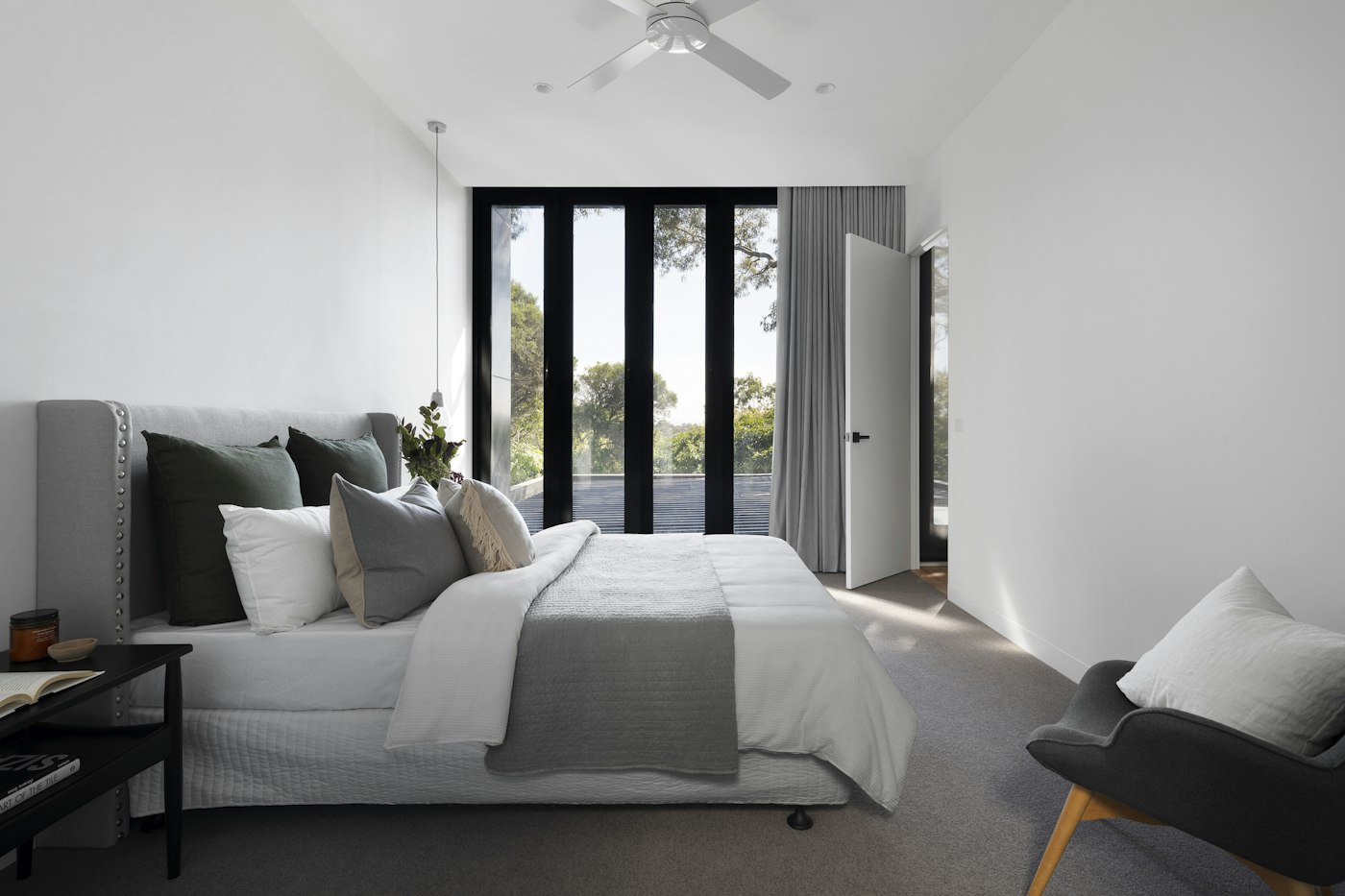
Prioritize living room, dining or kitchen, primary bedroom, ensuite, and main bath. Kitchen and primary suite often sway buyers most. Extra bedrooms are secondary when budget is tight.
What staging can and cannot claim
Canadian analysis of MLS data has associated staging with fewer days on market more strongly than with a proven sale-price premium. Treat “sells for X% more” marketing carefully. A practical frame: compare staging cost to the size of a likely price cut after weeks of soft activity. Always declutter, repair, and clean first. In hot segments, tidy homes can sell without full furniture packages.

If the home does not sell in month one
Vacant rentals usually renew on a biweekly or monthly schedule. Budget a possible second month in slower markets. Ask what happens to fees if the listing goes conditional quickly.
Investor buyers and condos
Some investor buyers ignore lifestyle staging. Ask your realtor who the likely buyer is before spending on a full vacant package. A lighter tidy and strong photos may suffice for investor-heavy stock.
Related decorating help
Working with your realtor
Staging decisions should match price point, buyer pool, and listing timeline. Ask your realtor whether vacant furniture is common for your segment or whether decluttering and paint will carry photos. In slower markets, budget for possible rental renewals. In hotter segments, avoid overspending on rooms buyers will ignore.
If you plan to live in the home after an unsuccessful listing, say so early. Staging choices that fight your long-term taste create double work later.
Declutter and repair before furniture arrives
Staging cannot hide cracked tiles, strong odours, broken lights, or overflowing closets. Buyers notice. Do the unglamorous work first: repairs, deep clean, storage off-site for excess furniture, and simple paint where scuffs dominate photos. Occupied consults often spend as much time editing as adding.
If budget is limited, spend on decluttering, paint, and photography before vacant furniture rental. Many listings improve enough at that layer. Add rental inventory when empty rooms or odd layouts still photograph poorly.
Photos, lighting, and showing days
Staging succeeds when it serves photographs and in-person flow. Open blinds where views help; soften harsh bulbs; keep pathways clear for open houses. Personal collections, political art, and crowded fridge doors distract. Store them kindly for the listing window rather than debating taste with every buyer.
Ask your photographer and realtor how much furniture density they prefer. Over-staging with tiny vignettes can feel dated; under-staging leaves echoing rooms. Money-room focus keeps spend aligned with impact.
Vacant rental logistics
Vacant packages typically include delivery, install, and later pickup. Confirm access, parking, elevator bookings, and whether extra rooms cost more. Ask what happens if the home goes conditional quickly, and what the renewal rate is if market time stretches. Ask what is included for delivery, install, pickup, elevator bookings, and renewal if the listing stretches.
Inventory style should suit the architecture and likely buyer—not the seller’s dream living room. A South End heritage listing and a Bedford condo may need different density and formality.
Honest expectations about price and speed
Canadian research on staging outcomes is uneven. Some analyses find stronger support for shorter days on market than for higher final sale prices. That does not make staging useless; it means you should compare cost against carrying costs and the size of a potential price reduction after a soft launch. Avoid marketing claims that promise a fixed percentage lift.
Your realtor’s read of current HRM conditions matters. In a heated segment, tidy may be enough. In a slower segment, vacant furniture can keep a listing from feeling abandoned in photos.
Staging versus living-in decorating
If the listing fails and you stay, you may reverse some staging choices. Say that risk aloud before renting a full package. Sometimes an occupied consult plus paint is the reversible middle path. If you know you are moving regardless, vacant staging can be simpler than living through a half-packed house.
Call (902) 999-9999 to discuss occupied versus vacant options for your timeline.
Occupied staging day plan
On consult day, expect a walkthrough that names what to remove, what to keep, and where furniture should land. You may receive a written report. DIY execution then falls to you or a hired helper. Confirm whether the fee includes a follow-up visit after you make changes.
Pack sentimental overflow first. Store seasonal clothing and excess chairs off-site if closets bulge. Buyers open storage. Crowded closets telegraph that the home is too small even when square footage is fine.
Vacant install and maintenance
After vacant install, keep the home at a showing-ready temperature and fix anything that shifts during viewings. Ask who fluffs pillows between opens if the listing runs long. Confirm insurance responsibility for rented inventory. Know the pickup timeline after firm sale conditions.
If renovations are unfinished, staging cannot replace missing trim or incomplete floors. Sequence work so photography captures a coherent story.
Airbnb and short-term rentals
Some Halifax stagers also style short-term rentals. That work optimizes for durability and booking photos more than permanent family living. If your goal is Airbnb performance rather than sale, say so—product choices change. This site’s primary staging focus is resale; short-term styling capacity is confirmed when you request a quote.
Choosing between consult-only and full vacant
Use consult-only when the home is furnished, structurally sound, and mainly needs editing. Use vacant when rooms are empty, sparsely furnished with the wrong scale, or so personal that buyers cannot see past the current life. Mixed approaches exist—rent key pieces while keeping the seller’s dining table, for example—when inventory and budget allow.
Always run the decision past your realtor’s read of buyer demand. Staging is a market tool, not a moral requirement. The right spend is the one that matches the listing problem you actually have.
Next step
Gather listing timeline, address or community, and a few photos. Call (902) 999-9999 or use the form to ask whether occupied or vacant staging fits. Confirm fees, rental terms, and service area in writing before scheduling install. Confirm fees, rental terms, and service area in writing before scheduling install.
Keep claims honest while you prepare to list
Staging is a preparation tool. It can improve how rooms read in photos and in person. It is not a guarantee of a higher sale price. Pair it with correct pricing advice from your realtor, clean repairs, and a timeline you can fund—including a possible second rental month. When you want a direct recommendation for occupied versus vacant help in Halifax or nearby HRM communities, call (902) 999-9999.
Service-area questions to ask up front
Confirm whether Dartmouth, Bedford, Sackville, Fall River, or other HRM communities are covered before you schedule. Travel fees and install logistics change with bridges, ferries, and building access. Ask how many rooms are included in a quoted vacant package and which rooms are optional add-ons. Clear geography and room counts prevent surprise invoices after furniture is already on the truck. Call (902) 999-9999 with your address and listing date ready.
Frequently asked questions
Which rooms matter most when staging to sell?
Prioritize living room, dining/kitchen, primary bedroom, ensuite, and main bath — the money rooms. Kitchen and primary suite often sway buyers most.
How much does vacant home staging cost in Halifax?
Vacant staging cost depends on room count, furniture rental duration, and whether a setup fee is separate from monthly rental. Ask for a written package that lists rooms included and what happens if the listing extends.
What if my house doesn't sell in the first month?
Vacant packages are usually priced for an initial month; continuing typically means paying ongoing furniture rental (biweekly or monthly options vary). Budget a possible second month in slower markets.
Occupied vs vacant staging — what's the difference?
Occupied: edit and rearrange what you own, sometimes with small rentals. Vacant: bring in a full furniture and décor package. Occupied consults in Halifax are often a few hundred dollars; vacant is thousands.
Is staging worth it, or should I just declutter and clean?
Always declutter, repair, and clean first. Staging helps most when rooms are empty, oddly used, or hard to visualize; in hot segments, tidy homes can sell without full furniture packages. Decide after an honest market read with your realtor.
Do staged homes sell for more money?
A Canadian condo MLS analysis found staging associated with fewer days on market but not strong evidence of higher final sale prices. Treat sells-for-X%-more marketing claims cautiously; compare staging cost to the size of a likely price cut if the listing stalls.
Can you use my furniture for staging?
For occupied staging, stagers typically keep as much of your suitable furniture as possible and edit the rest. Vacant homes usually need rented pieces.
How much is a DIY staging consultation in Halifax?
Occupied staging consults are usually shorter advice visits; vacant packages include furniture rental. Ask for a written estimate that separates consult time from rental inventory.
What areas do Halifax stagers serve?
We focus on Halifax. Ask when you call about Dartmouth, Bedford, Sackville, Hammonds Plains, and wider HRM coverage for your listing.
Should I stage a condo if the buyer might be an investor?
Maybe not at full vacant cost — some investor buyers ignore lifestyle staging. Ask your realtor who the likely buyer is; a lighter tidy and photo prep may suffice for investor-heavy stock.