Room makeovers in Halifax without a gut renovation
A room makeover is the decorating path for homeowners who want a space to feel finished—cohesive colour, better layout, lighting that works at night, textiles that survive real life—without opening walls or redesigning the kitchen. In Halifax that often means a dated living room, a primary bedroom that never got past “temporary,” or an entry that dumps coats onto the only nice chair.
This page explains scope options (ideas-only versus shop-and-install), typical Canadian cost bands, sequencing, lifestyle constraints, and how to compare quotes. Brand-specific prices and timelines are confirmed when you request a quote.
What a makeover can change
- Paint and related colour decisions
- Furniture layout and piece selection
- Rugs, lighting, window treatments, and soft furnishings
- Art and accessory styling
- Optional shopping, ordering, delivery coordination, and install day
What it usually does not include: moving load-bearing walls, full kitchen or bath remodels, or electrical and plumbing redesign. Those projects need designers and trades with construction scope.
Design-only versus full-service
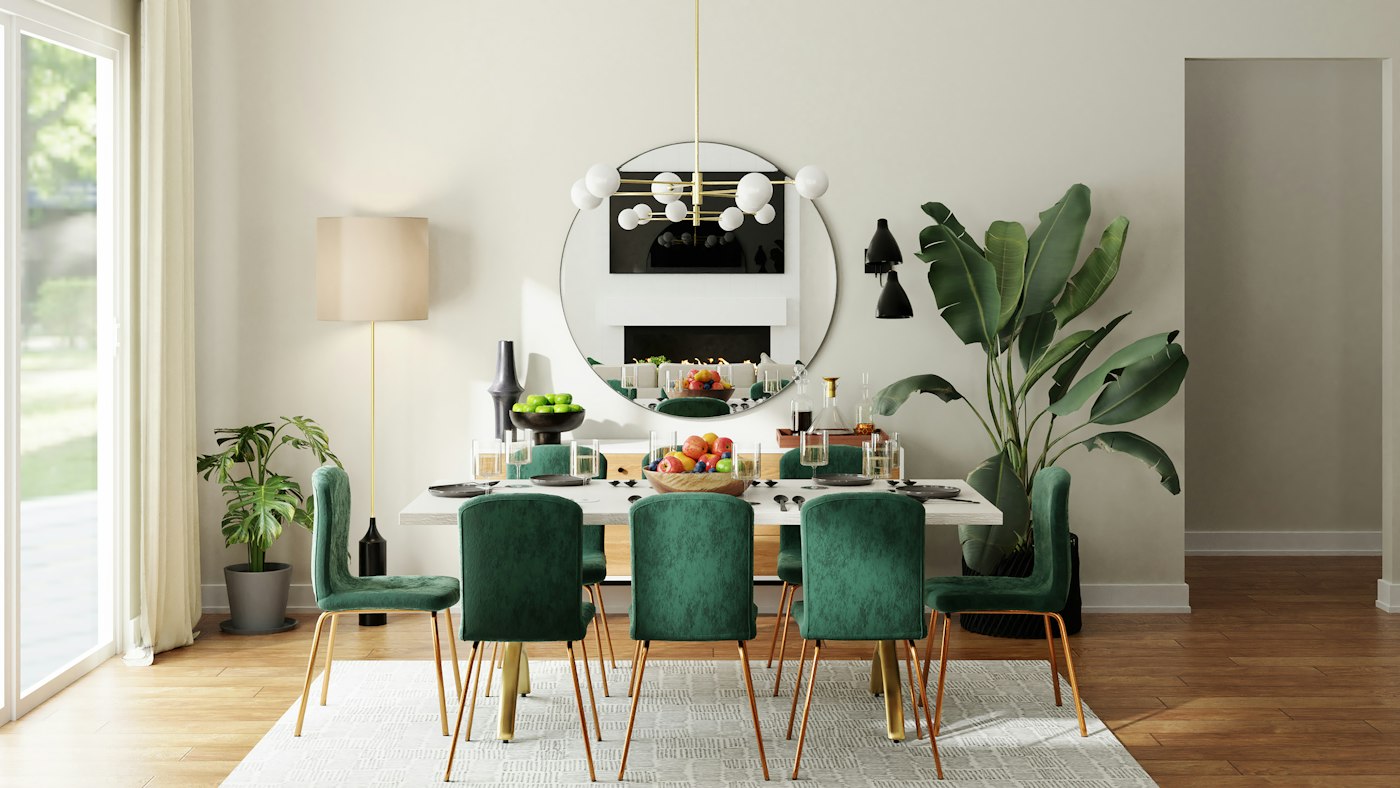
Reddit hiring threads and Canadian fee guides keep returning to the same fork. Design-only means you receive a plan and shopping list, then order yourself. Full-service adds procurement, trade pricing or markups, and install coordination. Hourly work can feel flexible and can also expand quietly if admin and research hours are not capped. Flat room fees help when scope is clear.
Makeover cost depends on concept-only versus shopping and install. Furnishings budgets are separate and usually larger than design fees. Ask for estimated hours by phase, revision limits, and who owns delivery claims.

Start with one room on purpose
When the whole house feels dated, start with the room you use most or the one that bothers you daily. Collect style references, set a product budget, and scope a single makeover before expanding. Halifax forum posters who feel sticker shock at large packages often find single-room work more realistic.
Reuse is not a compromise. Editing what you already own—rearranging, recovering, relocating—frequently delivers half the visual win before new purchases arrive.
Lifestyle constraints belong in the brief
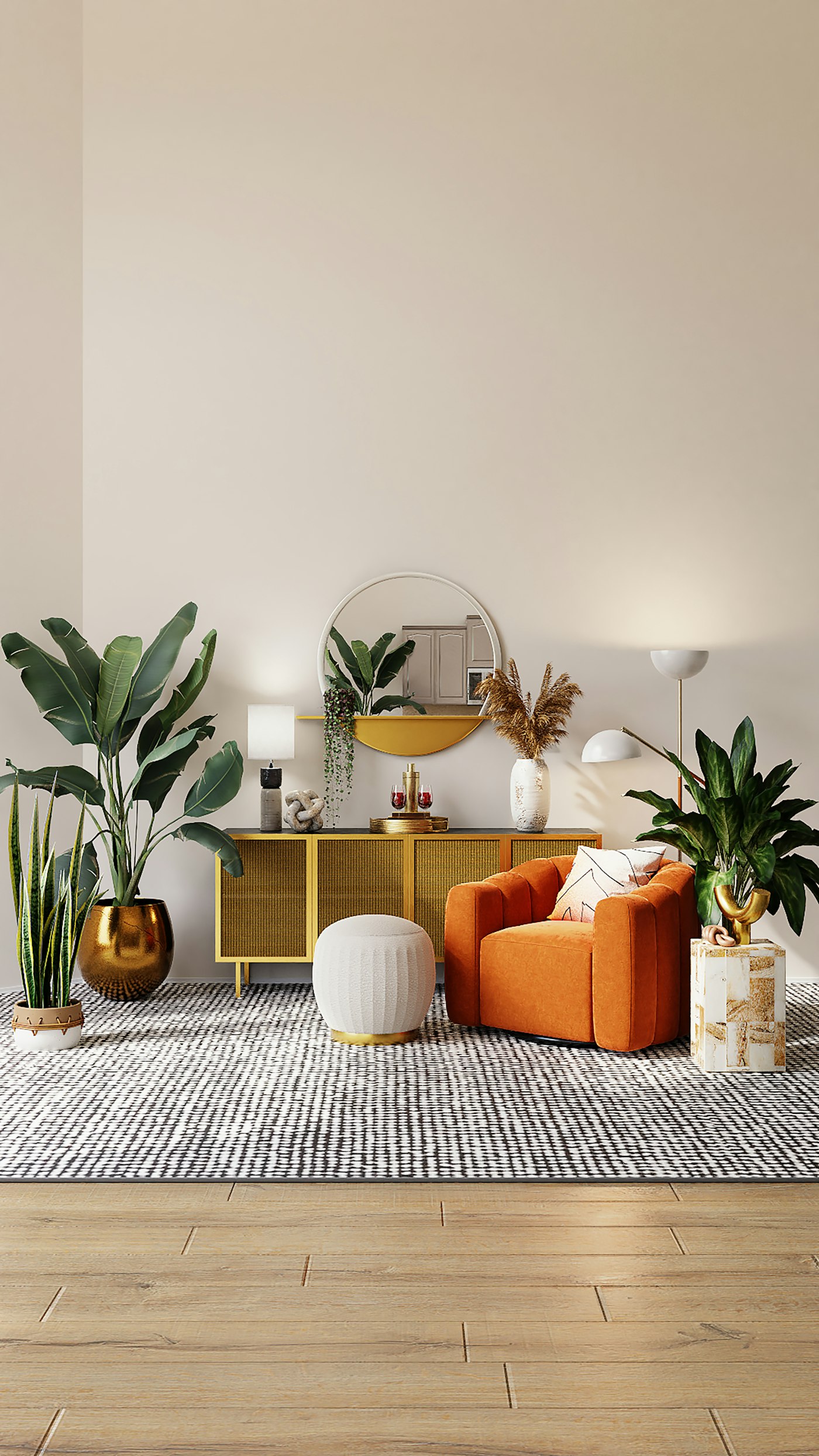
Pets, kids, plants, work-from-home desks, and accessibility needs should appear in the first conversation. Durable fabrics, washable paints, and clear traffic paths matter more than a magazine finish that fails in week two. Bring those constraints without apology.
Sequencing paint and furniture
Lock the palette to pieces that stay, paint before new upholstery when possible, and confirm lead times before promising a reveal date. Custom sofas and window treatments often dominate the calendar more than the design hours do.
Comparing makeover quotes fairly
Ask each decorator for the same room count, the same deliverables, and a clear statement on shopping and install. A low hourly estimate can exceed a flat fee once research and revisions accumulate. A high flat fee may include procurement that another quote leaves to you. Put revision limits and travel fees in writing.
Halifax homeowners who want affordable help often succeed by scoping one room well, then expanding. That approach also tests working chemistry before a whole-home commitment.
Rooms that commonly lead the list
Living rooms carry daily life and guest first impressions, so they dominate makeover requests. Primary bedrooms follow when people want a calmer end to the day. Entries and mud zones punch above their square footage because clutter lands there first. Dining rooms matter more when they open to the kitchen or double as homework space.
Basements and spare rooms can wait unless they are the only family hangout. Kitchens and baths can receive decorating attention through colour, lighting, and textiles, but cabinetry and plumbing changes move the project into renovation territory. Be honest about which category you need before you compare decorating quotes to design-build bids.
Mood boards without copying a magazine
References help, but copying an entire Pinterest room usually fails in a real Halifax house with different windows, ceilings, and leftover furniture. Collect images for feeling—lighter, warmer, quieter, more layered—then let the plan adapt to your dimensions. A decorator should explain why a sofa depth or rug size changes even when the inspiration photo looks perfect.
Bring physical constraints early: radiator locations, awkward niches, TV walls, and pet beds. Pretty plans that ignore those realities create expensive returns.
Children, pets, and durable finishes
Performance fabrics, washable paints, rounded corners, and storage that actually gets used matter more than delicate showroom finishes. Say so in the brief. Good decorating for families is not a lesser aesthetic; it is a clearer one. Plants need light; cats need scratch strategy; kids need open floor paths. Those notes belong beside the style words.
Budget layers that keep projects moving
Think in layers: paint and lighting first for immediate lift; key seating next; window treatments and rugs when lead times allow; art and accessories last. That order lets you live with progress instead of waiting for every custom item. It also spreads cost across months if a single lump sum is uncomfortable.
Furnishings budgets vary widely and usually outweigh design fees. Ask for a product budget target before anyone builds a shopping list of pieces you cannot fund, and request a written estimate for your room count.
When a makeover should pause
Pause if you discover mould, active leaks, unsafe wiring, or a desire to move walls. Decorating over unresolved building issues wastes money. Pause also if partners disagree on fundamentals—then use the consult to decide stay-versus-sell or hire-versus-DIY before purchasing. Clarity is cheaper than returns.
Ready to scope a room? Call (902) 999-9999 or send photos through the consultation form.
Lighting as part of the makeover
Overhead fixtures alone rarely finish a room. Layer ambient, task, and accent light so evenings feel usable. Lamp height, shade opacity, and bulb temperature change how paint and fabric read. A makeover plan that ignores lighting often feels unfinished even after new furniture arrives.
Window treatments control glare and privacy in dense HRM neighbourhoods. They also change apparent ceiling height and wall colour. Include them in the budget early; waiting until the end usually means they are skipped, and the room keeps looking incomplete.
Documentation you should leave with
Ask for a simple package: floor layout with dimensions, paint schedule, shopping list with links or vendor names, and notes on what was deferred. That file helps you finish DIY pieces later without losing the thread. If full-service install is included, add a punch list process for damaged freight and missing hardware.
Keep receipts and fabric names. Future recovering or matching pillows becomes realistic instead of guesswork.
Neighbourhood and architecture cues
A Hydrostone-area character home, a Dartmouth split-entry, and a downtown condo do not want identical formulas. Architecture should inform furniture scale and colour weight. Decorating that ignores the shell looks temporary. Share the age of the home, ceiling heights, and any heritage constraints so recommendations fit the building you actually own.
Reveal day and living with the result
A reveal should include a walkthrough of what changed and why, plus care notes for fabrics and finishes. Live in the room for a week before ordering more accessories. Many “missing” pieces become clear only after real evenings and weekends in the space. Resist the urge to fill every surface immediately.
If something fails—wrong scale, uncomfortable seat, harsh lamp—address it quickly while return windows remain open. A good makeover relationship includes that cleanup conversation without defensiveness. Document final product names so future rooms can continue the language you just established.
Expanding from one room to the next
After a successful living-room makeover, adjacent spaces often feel suddenly unfinished. Plan the next room with the same undertone family and similar wood or metal finishes so the home gains continuity. You do not need to book every room on day one. Sequential projects protect cash flow and let you learn what you actually use.
Why long guides matter for makeovers
Makeovers fail most often from unclear scope, not from a lack of taste. Knowing whether you are buying ideas, shopping help, or install changes how you judge every number on a proposal. Use this page as a checklist in conversations, then call (902) 999-9999 when you are ready to match that checklist to your rooms and budget.
Frequently asked questions
Where do I start if the whole house feels dated and I don't know what to do first?
Start with the room you use most (often living room) or the one that bothers you daily. Collect style references, set a product budget, then bring in a decorator for a scoped plan rather than boiling the ocean.
Can I refresh a room without a full renovation?
Yes — paint, lighting, textiles, furniture layout, and styling can transform a room without moving walls. Renovation is only required when layout, cabinetry, or systems must change.
How much does a room makeover or per-room design cost?
Makeover cost depends on whether you need a concept and shopping list only, or sourcing and install. Furnishings budgets are separate and usually larger than design fees. Ask for a written estimate for your room count and deliverables.
What is included in a makeover — ideas only, or shopping and install?
Scopes vary widely: concept plus shopping list; procurement with trade pricing; full install and styling. Contracts should state who orders, who pays vendors, markup vs hourly, and who manages deliveries.
How do I avoid feeling overcharged on hourly design work?
Ask for estimated hours by phase, revision limits, what deliverables look like, and whether research/admin time is billed. Compare at least two quotes on the same scope.
Will a decorator keep my pets, kids, and real life in mind?
Lifestyle fit is a core decorating brief — durable fabrics, washable paints, pet-friendly layouts, and plant/light needs should be discussed up front. Bring constraints to the consult.
How long does a typical room makeover take?
Concept can take days to a few weeks; lead times for furniture often dominate (weeks to months). Confirm timeline once pieces are selected. Confirm timeline once pieces are selected.
Can we reuse pieces I already own?
Yes — rearranging and editing what you have is often half the win, then filling gaps with targeted purchases. Inventory keep/donate/replace at the first visit.
Should I paint before or after furniture arrives?
Usually paint (and major flooring) before new upholstered furniture arrives, after the palette is locked to the large pieces you will keep or buy. Exact sequence depends on what is being replaced.
What rooms give the biggest everyday payoff?
Living rooms, primary bedrooms, and entries deliver daily impact for living-in makeovers; kitchens and baths need more trades. For selling, prioritize living, dining/kitchen, primary suite, and baths.